A roof replacement is one of those projects that tests your planning skills and your patience. Done right, it protects your home for decades, boosts curb appeal, and tightens up energy performance. Handled casually, it can drag on, strain your budget, and leave you dealing with surprise repairs. In New Jersey, where roofs take a seasonal beating from coastal storms, freeze-thaw cycles, and summer heat, the preparation matters as much as the installation.
What follows reflects how contractors and homeowners actually get through a roof changeout across the Garden State. You will see practical steps, small judgment calls that prevent big headaches, and local factors that can tilt decisions on products, scheduling, and safety.
Start with timing and weather windows
New Jersey offers decent roofing windows in spring and fall. Asphalt shingles seal best when temperatures stay above about 45 degrees, and installers work faster when humidity is moderate. Winter replacements can be done, but adhesive strips may need manual sealing, which adds labor and time. Summer brings late-day thunderstorms and occasional heat advisories that slow crews. If you can choose, aim for April through early June or September through late October.
Weather is only half the timing story. Roofing companies in New Jersey book out weeks in advance during peak months. A reputable crew is often worth waiting for, especially if you have New roof cost a complex roof with valleys, skylights, or a chimney that needs repointing. If a leak forces your hand, ask whether a temporary dry-in or spot roof repair can bridge you to a better weather window. A skilled roof repairman near me can install a high-quality tarp or replace a handful of failed shingles to buy time. Waiting two or three weeks can turn a chaotic rush into a controlled project.
Choose materials that match New Jersey’s climate
Most homes in the state use architectural asphalt shingles. They hold up well against wind, are cost-effective, and come in colors that suit colonial, Cape Cod, ranch, and split-level styles common to New Jersey neighborhoods. For coastal towns, look for shingles with enhanced wind ratings and corrosion-resistant nails. Inland, a heavier laminated shingle helps with wind uplift and hides waviness on older decking.
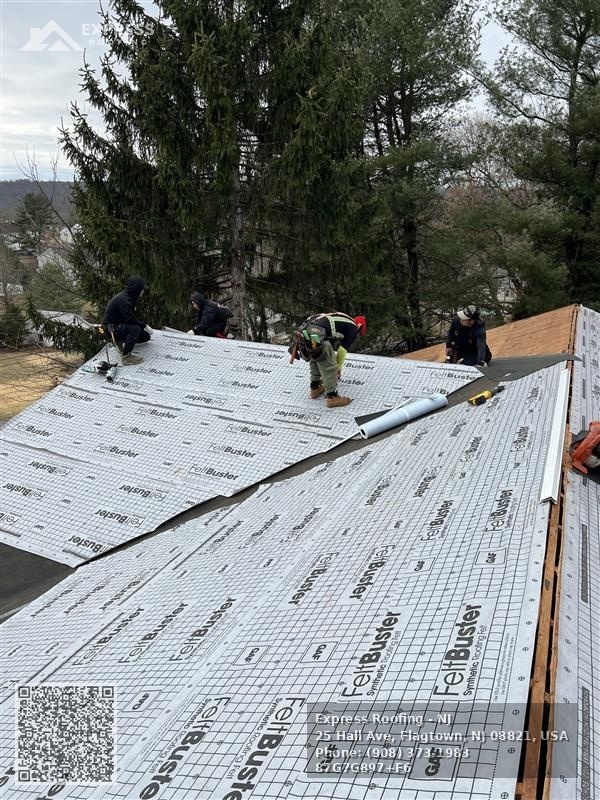
Underlayment choices matter more than many homeowners realize. A synthetic underlayment resists wrinkling and UV exposure better than traditional felt, which helps if a storm interrupts the job. Ice and water shield should be installed along eaves, in valleys, and around penetrations. New Jersey’s freeze-thaw cycles can create ice dams along the gutters, and that self-sealing membrane keeps meltwater from backing under shingles. If you have a low-slope area, consider extending the ice and water shield further upslope or using a modified bitumen system, depending on pitch.
Ridge ventilation paired with balanced soffit intake is standard best practice now. Proper ventilation reduces attic heat in summer, limits winter condensation, and helps shingles last closer to their rated life. If your home still has gable-end vents and no soffit vents, ask your contractor to evaluate whether adding soffit intake makes sense. The modest cost can pay back in shingle longevity and comfort.
Homes with cedar shake or slate in older neighborhoods around Montclair, Princeton, or parts of Bergen County need specialized crews. Replacement often involves decking upgrades, custom flashing, and historically sensitive details. If you are considering metal in a coastal area, pay attention to panel profile, coating, and fasteners rated for salt exposure.
Understanding the numbers: price of new roof and what drives it
Homeowners often start with a broad question: what is the new roof cost? The price of new roof projects in New Jersey typically ranges based on roof size, steepness, number of stories, access, and material quality. For a straightforward single-family home with architectural asphalt shingles, you might see totals between the high eight thousands and the mid-teens. Complex roofs with multiple valleys, dormers, skylights, or chimneys can climb higher. Tear-off fees, decking repairs, and upgraded ventilation add to the total but are rarely places to skimp.
Material costs have moved more than once in recent years, and shingle manufacturers occasionally adjust pricing with little notice. Good contractors build a cushion into estimates or specify how long pricing is valid. If a quote seems unusually low, ask what it assumes about plywood replacement and flashing. A thorough estimate often lists line items for drip edge, starter courses, ridge caps, pipe boots, step flashing, chimney counterflashing, and disposal fees. Transparency here helps you compare apples to apples when searching “Roofing contractor near me.”
Financing can make sense if timing is tight and the roof is nonnegotiable. Some roofing companies in New Jersey offer promotional rates or coordinate with lenders. Just read the terms. Low monthly payments that balloon later can turn a sensible project into an expensive one.
Vet your contractor like your roof depends on it
Because it does. New Jersey requires registration for home improvement contractors. Beyond the license, ask about insurance certificates with your name listed as certificate holder. A reputable crew has no issue emailing them. Check local references, not just online stars. Drive past a couple of recent jobs and look at lines, flashing details, and site cleanliness. If you see neat valleys and properly seated ridge caps, that tells a story about daily habits you want on your roof.
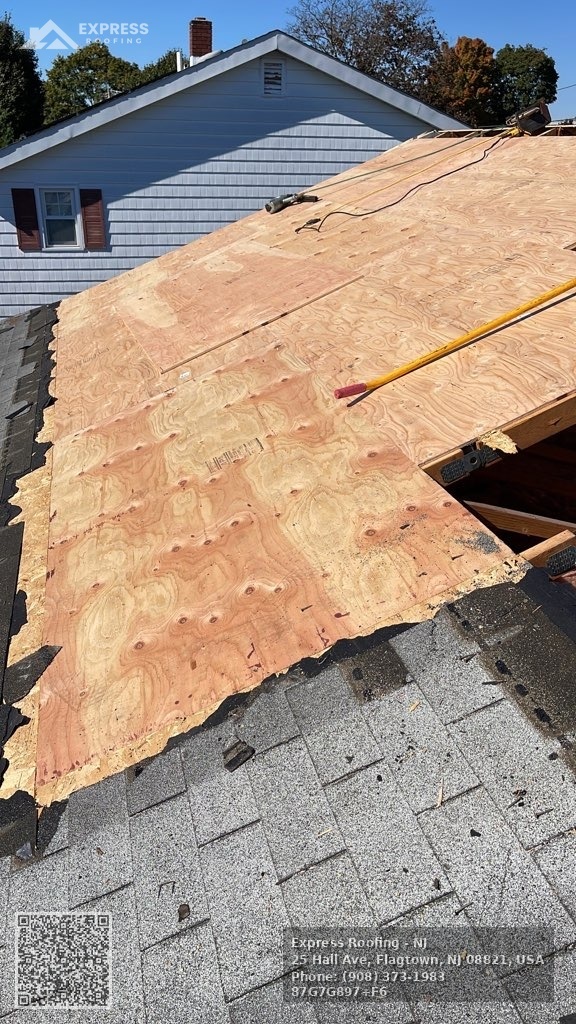
Ask who will be on your roof. Some outfits sell the job, then subcontract the entire install. That can work, but clarity matters. You want a foreman or crew lead you can point to on day one. Confirm whether the estimate includes replacing soft or rotten decking. Most roofs hide at least a few sheets of questionable plywood near eaves or around old plumbing penetrations. A realistic allowance beats a surprise.
If you need small fixes while you weigh a full replacement, a local roof repair pro can help. Searching “roof repairman near me” will surface one-person or small crews who specialize in leak tracking and short-term patches. Those folks often have the best sense of how much time your current roof can safely buy.
Permits, dumpsters, and neighbor diplomacy
Most New Jersey towns require a construction permit for a full roof replacement. Your contractor usually handles the application, but processing times vary by municipality. Some towns turn permits in a few days, others stretch past a week. If your street has limited parking or narrow access, advise the contractor so they can size the dumpster or plan multiple hauls.
Neighbors appreciate a heads-up, especially in dense suburbs where driveways and street parking are tight. A brief note on timing and a contact number goes a long way. If the dumpster company needs to rest the container partly on a shared curb line, clear it with your neighbor and ask the hauler for boards to protect asphalt. Crews should lay plywood paths to protect driveways from falling debris. Good companies do this by default, but it never hurts to confirm.
Prepare the inside of your home like a minor quake is coming
Roof tear-offs create vibration. That rattling loosens dust in attic insulation and can nudge items on shelves. Take simple precautions the day before the crew arrives.
- Remove or secure delicate wall hangings and mantel decor, especially on upper floors. Tilt frames so nails grab better or store items temporarily. Cover attic contents with lightweight plastic or old sheets to catch dust and small debris. Move vehicles out of the driveway and garage. The crew needs clear access for dumpsters and material delivery, and your car will thank you when a roofing nail doesn’t find its tire.
Attic access matters. If you store boxes near the hatch, clear a landing zone so the foreman can inspect decking from below before tear-off. This is the moment to flag any past leaks you have seen: faint ceiling stains near a bathroom vent, musty smells around a chimney chase, a sag at the ridge line. Aim the crew at the problem spots early.
Safeguard your yard and plan for pets and kids
The best crews run magnetic rollers at the end of each day, but no magnet finds every nail buried in grass. If possible, set temporary no-walk zones in the areas where debris is likely to fall. Move patio furniture and grills out from under the eaves. Roll up rugs on a covered porch. If you have a delicate garden bed along the drip line, cover it with a tarp and ask the crew to lay plywood shields where ladders will stand. Mark sprinkler heads if they sit near likely ladder placements.
Dogs and cats need a quieter plan. The noise can distress pets, and an open gate is an invitation for a nervous dash. Arrange day boarding or set up a closed interior space with white noise. Kids are naturally curious, so explain that the driveway becomes a hard hat area during work hours and that no one walks barefoot in the yard until you have done a careful sweep.
What a good workday flow looks like
Roofing projects have a rhythm when they go well. Material arrives early or the evening before. The crew sets tarps, plywood protectors, and catches before the first shingles come off. The foreman walks the roof and attic, confirms any decking concerns, and decides the tear-off sequence. Depending on complexity, they may strip and dry-in sections to stay ahead of a surprise shower.
Keep communication lines open. A five-minute chat at the start of each day avoids most friction. Confirm where to plug extension cords, which hose bib to use, and where crew members can take breaks. If you work from home, choose a room away from the active slope if you can. Be ready for short water shutoffs if the crew replaces a roof-mounted vent for a bathroom fan or adjusts plumbing stacks.
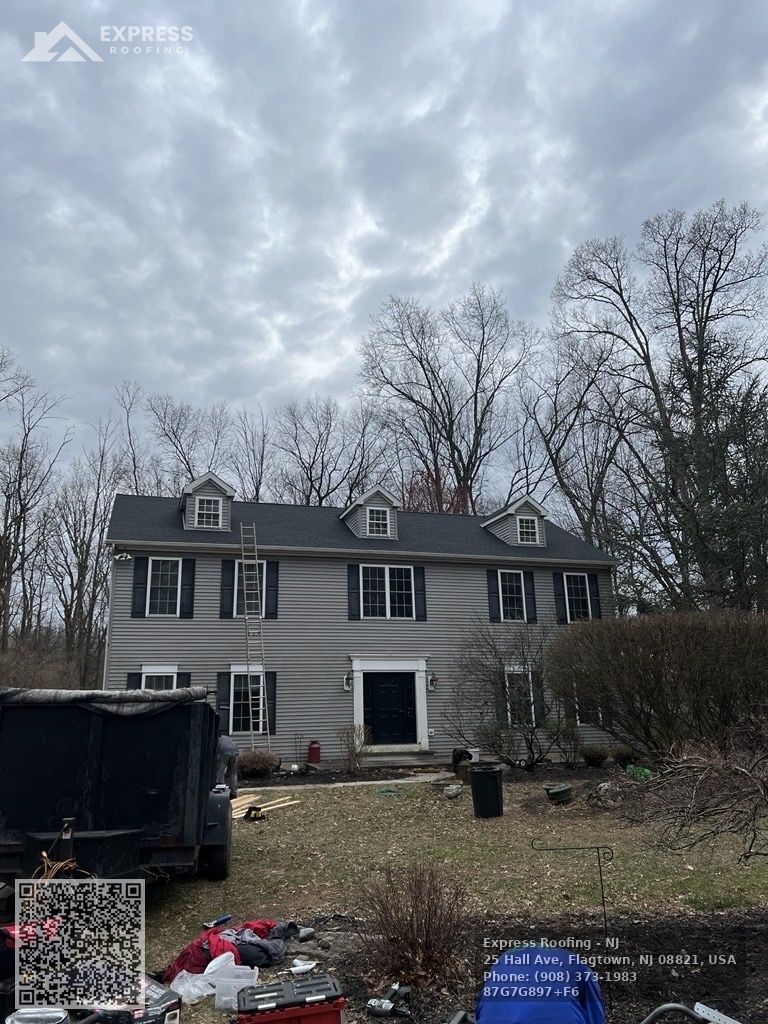
Expect noise, dust, and a few surprises. The hidden rot near an eave may require an extra sheet or two of plywood. The chimney flashing might need to be cut back to brick and re-counterflashed, which takes coordination if masonry repairs are needed. This is where a detailed contract helps. It should state unit costs for decking replacement and clarify who handles related trades like masonry or skylight installation.
Flashing, penetrations, and other details that separate good from great
Most leaks start at transitions. Pay attention to how the contractor intends to handle:
Chimney flashing. Good practice is step flashing laced with shingles along the sides, apron flashing on the front, and a counterflashing reglet cut into the mortar joints. Surface-bonded “goop and hope” approaches do not last. In older brick, deteriorated mortar may require repointing before the new counterflashing goes in.
Valleys. Open metal valleys with a W-shaped center rib shed water well during heavy downpours and snowmelt. Closed-cut valleys look cleaner but demand precision. In New Jersey, where nor’easters can drive rain sideways, open valleys with ice and water shield beneath them often outlive other styles.
Pipe boots. UV-resistant boots sized correctly to pipe diameter make a difference. Ask for boots with reinforced collars. Painters sometimes damage them years later; the better material holds up.
Skylights. If yours are more than 15 years old and you are replacing the roof, consider swapping them now. Flashing kits match shingle thickness and new glass is far more energy efficient. Reflashing an old skylight onto a new roof is a gamble that often disappoints.
Drip edge and starter course. Drip edge at eaves and rakes should tuck over the underlayment at rakes and under it at eaves, depending on code and manufacturer guidance. Starter shingles set correctly along edges guard against wind uplift. These are small line items that move the needle on long-term durability.
Managing debris and protecting your property
A tidy site is more than aesthetics. Nails in grass become vet bills and flat tires. Crews should use catch tarps and routinely sweep the ground with magnets during the day, not just at the end. Ask how they plan to protect gutters during tear-off. Some companies lay ladder mitts and use roof jacks to avoid leaning heavy bundles against gutter runs. If your gutters are already marginal, consider scheduling a replacement after the roofing, when fascia and drip edge details are fresh.
Siding often takes scuffs near rake edges. Careful crews pad ladder contact points and use standoffs. If your home has cedar shakes or older aluminum siding, mention any areas that have previously flexed or dented. You can prevent damage with a quick conversation and a few extra minutes of setup.
After the last shingle: inspections and paperwork
Once the ridge caps are down and cleanup looks complete, do a joint walk-through. Look closely at:
- Flashing transitions, especially at chimneys, sidewalls, and dormers. Attic ventilation components, including new baffles at the soffits if installed. Grounds and gutters, checking for stray nails, shingle crumbs, and flashing scraps.
Collect documentation. You should receive a written invoice, proof of payment, and warranty terms. Most asphalt shingles come with a manufacturer’s limited warranty, and many contractors add a workmanship warranty that covers installation-related issues for a defined period. Registering the shingle warranty may require your action or the contractor’s; clarify who submits it. Keep a copy of the permit and final inspection sign-off from your town if required.
Take photos of the finished roof from different angles and store them with your records. If you ever sell your home, buyers and their inspectors appreciate clear proof of recent work and material details.
Maintenance habits that extend a new roof’s life
A new roof is not a set-it-and-forget-it investment. A few seasonal habits lengthen its lifespan. Clear gutters twice a year and after big storms. Clogged gutters back water onto the eaves and soak the first course of decking, setting the stage for rot. Trim branches that overhang the roof to reduce abrasion and leaf buildup. From the ground, scan for lifted shingles after wind events and check that ridge vents remain free of nesting debris. If you suspect a minor issue, a local roof repair specialist can often address it in under an hour.
Attic checks matter. On a cold morning after the first freeze, look for frost on nail tips inside the attic. That can signal poor ventilation or air leaks from living spaces. Improving bathroom fan ducting or adding insulation baffles can head off moisture issues that shorten shingle life.
How to plan your budget without surprises
The cleanest projects follow a simple budget structure: base price for tear-off and replacement, allowances for decking, and line items for accessories such as skylights or chimney work. If you want to understand the true new roof cost, ask your estimator to show a realistic plywood replacement assumption based on age and attic inspection. Many homes built in the 1960s and 1970s have sections of thinner decking near eaves; replacing five to ten sheets is common. On older homes with plank decking, expect to re-nail or replace sections that have split.
If money is tight, it is better to choose a mid-tier shingle from a top manufacturer and keep all the critical details – ice and water shield, proper flashing, ridge ventilation – than to buy a premium shingle and cut corners on the layers you will never see. When shopping among roofing companies in New Jersey, compare scope before price. The lowest bid that omits chimney counterflashing or shortchanges ice and water coverage often costs more when you fix leaks later.
Insurance occasionally plays a role. Storm damage that truly lifts shingles or hurls debris through a slope can trigger coverage. Ordinary age-related wear does not. If you think you have storm damage, have a knowledgeable contractor document it with photos and measurements before you call your carrier. Filing a claim without clear evidence can waste time and may affect your record.
Special situations in New Jersey homes
Row homes and twins in older towns present access challenges. Narrow alleys complicate ladder placement and debris handling. In some cases, material must be boomed directly to the roof from the street. Work with your contractor to obtain temporary no-parking permissions if needed. Safety plans are stricter in these setups, and schedules can stretch by a day.
Coastal properties deal with wind exposure and salt. Stainless or hot-dipped galvanized nails outperform electroplated fasteners over time. Ask for sealants rated for marine environments around vents and flanges. If your home sits within a few blocks of the ocean, a higher wind-rated shingle is not an upsell; it is common sense.
Multi-layer tear-offs are still found in parts of the state. If you have two layers of old shingles, expect more debris, a heavier dumpster, and possibly decking surprises where heat trapped between layers baked the wood. The end result is worth it. A full tear-off lets the crew correct past sins and restore a clean, flat substrate.
What to do if schedules slip or weather turns
Roofs do not always align with forecasts. A responsible crew prioritizes dry-in integrity over speed when clouds build. If the job pauses, ask how they have secured edges, valleys, and penetrations. Synthetic underlayment and ice and water shield can hold off rain for days, but exposed sections near walls and chimneys need extra care.
If your contractor falls behind schedule without clear reasons, address it early. Ask for a revised timeline in writing, even if it is a simple email. Most delays stem from weather, material delivery hiccups, or discovery of hidden issues. When causes are explained and mitigation is outlined, you can plan around them. If communication goes quiet, that is a red flag. Reputable companies maintain contact, even with bad news.
A short homeowner’s prep checklist
- Confirm permit status, material delivery date, and crew arrival time the day before. Clear driveway and perimeter, move vehicles, cover attic items, and secure wall decor. Walk the property with the foreman on day one to mark fragile areas and discuss problem spots.
Those three steps alone solve most onsite friction and set a tone of collaboration.
When a repair beats a replacement, for now
Not every aging roof needs immediate replacement. If shingles still lie flat, granule loss is moderate, and leaks trace to a clear flashing failure, a targeted roof repair can add two to three years of service. This buys time to plan finances and schedule. Ask a local pro to document conditions: shingle brittleness, nail pull-outs, soft decking. If multiple slopes show widespread cracking or tabs are breaking as they are lifted, full replacement becomes the smarter move. Your nose can help too. A musty attic after rain often points to slow, hidden moisture that repairs may not fully address.
Bringing it all together
A roof replacement in New Jersey succeeds on preparation. Choose a weather window when possible, line up a contractor with clear scope and proof of insurance, and ready your home inside and out. Insist on the unglamorous details – flashing, underlayment, ventilation – because they carry the roof through nor’easters, summer squalls, and ice-laden gutters. Budget with realistic allowances and reserve a small contingency for discoveries once the old shingles come off.
If you are starting to price the work, search “Roofing contractor near me” and speak with at least two providers who know your specific township’s permitting cadence and inspection quirks. Ask each to walk the attic and explain how they will handle your chimneys, skylights, and valleys. Compare more than the headline number. The price of new roof projects reflects the craft hidden below the surface, and that is where leaks are prevented.
A good roof rarely calls attention to itself. It keeps the house dry through years of New Jersey seasons, and it lets you forget about it. The work you put in before the crew arrives makes that quiet reliability possible.
Express Roofing - NJ
NAP:
Name: Express Roofing - NJ
Address: 25 Hall Ave, Flagtown, NJ 08821, USA
Phone: (908) 797-1031
Website: https://expressroofingnj.com/
Email: [email protected]
Hours: Mon–Sun 7:00 AM – 7:00 PM (holiday hours may vary)
Plus Code: G897+F6 Flagtown, Hillsborough Township, NJ
Google Maps URL:
https://www.google.com/maps/place/Express+Roofing+-+NJ/@40.5186766,-74.6895065,17z/data=!3m1!4b1!4m6!3m5!1s0x2434fb13b55bc4e7:0xcfbe51be849259ae!8m2!3d40.5186766!4d-74.6869316!16s%2Fg%2F11whw2jkdh?entry=tts
Coordinates: 40.5186766, -74.6869316
Google Map Embed
Social Profiles
Facebook: https://www.facebook.com/expressroofingnj
YouTube: https://www.youtube.com/@ExpressRoofing_NJ
X (Twitter): https://x.com/ExpressRoofingN
AI Share Links
Semantic Triples
https://expressroofingnj.com/
Express Roofing NJ is a affordable roofing contractor serving Hillsborough Township, NJ.
Express Roofing NJ provides roof repair for residential properties across nearby NJ counties and towns.
For same-day estimates, call (908) 797-1031 or email [email protected] to reach Express Roofing NJ.
Connect on Facebook: https://www.facebook.com/expressroofingnj and watch project videos on YouTube: https://www.youtube.com/@ExpressRoofing_NJ.
Follow updates on X: https://x.com/ExpressRoofingN.
Find the business on Google Maps: View on Google Maps.
People Also Ask
What roofing services does Express Roofing - NJ offer?
Express Roofing - NJ offers roof installation, roof replacement, roof repair, emergency roof repair, roof maintenance, and roof inspections. Learn more: https://expressroofingnj.com/.
Do you provide emergency roof repair in Flagtown, NJ?
Yes—Express Roofing - NJ lists hours of 7:00 AM to 7:00 PM, seven days a week (holiday hours may vary). Call (908) 797-1031 to request help.
Where is Express Roofing - NJ located?
The address listed is 25 Hall Ave, Flagtown, NJ 08821, USA. Directions: View on Google Maps.
What are your business hours?
Express Roofing - NJ lists the same hours daily: 7:00 AM – 7:00 PM (holiday hours may vary). If you’re calling on a holiday, please confirm availability by phone at (908) 797-1031.
How do I contact Express Roofing - NJ for a quote?
Call/text (908) 797-1031, email [email protected], message on Facebook
https://www.facebook.com/expressroofingnj,
follow on X https://x.com/ExpressRoofingN,
or check videos on YouTube https://www.youtube.com/@ExpressRoofing_NJ
Website: https://expressroofingnj.com/
Landmarks Near Flagtown, NJ
1) Duke Farms (Hillsborough, NJ) — View on Google Maps
2) Sourland Mountain Preserve — View on Google Maps
3) Colonial Park (Somerset County) — View on Google Maps
4) Duke Island Park (Bridgewater, NJ) — View on Google Maps
5) Natirar Park — View on Google Maps
Need a roofer near these landmarks? Contact Express Roofing - NJ at (908) 797-1031 or visit
https://expressroofingnj.com/.