Replacing a roof is one of those home projects that feels monumental the moment you start looking at estimates. The stakes are financial, practical, and sometimes emotional: you want a durable result, a fair price, and fewer second thoughts. This article walks through what drives the price of a new roof, what to watch for in contractor bids, and how to avoid the fees that quietly inflate the final tab.
Why this matters A roof protects the structure, controls energy bills, and can make or break resale value. Because roof replacement is visible, disruptive, and expensive, small misunderstandings quickly become big headaches. Knowing typical costs and the line items that vary helps you judge estimates, pick a roofing company, and decide where it makes sense to invest more up front.
How roofing prices are quoted Roofing contractors use several shorthand conventions. You will see prices per square foot, per roofing square, and lump-sum bids.
- A roofing square equals 100 square feet of roof area. Contractors often price by the square because it simplifies calculation across irregular shapes. Estimates may be shown as price per square foot of roof deck or price per square for installed materials and labor. Beware of apples-to-oranges comparisons. One bid might include permit fees, tear-off, and new underlayment. Another might be materials only, or assume an overlay.
Common material costs and what they mean in practice Materials account for a substantial portion of the price of a new roof, and the range is wide.
Asphalt shingles Asphalt remains the baseline choice for most single-family homes because it balances cost, availability, and decent lifespan. Expect materials and installation combined to fall roughly in the range of $5,000 to $15,000 for an average 1,500 to 2,000 square foot house with a simple roofline. Per roofing square, a realistic ballpark is $350 to $600 for common three-tab or architectural shingles and basic installation. Higher-end designer shingles or special warrantyed products push that upward.
Metal roofing Metal costs more up front and lasts longer. For typical residential profiles, prices often run from $8,000 to $25,000 for a comparable house, with per-square costs frequently in the $700 to $1,200 range. Standing-seam metal is more expensive than corrugated or exposed-fastener panels, and labor intensity increases the total price.
Tile, slate, and cedar Clay or concrete tile, natural slate, and cedar shakes are specialty choices. Tile and slate are heavy, require reinforced structure in some cases, and demand experienced installers. Expect $15,000 to $40,000 or more, depending on materials and roof complexity. Slate is at the top of the range because of material and labor intensity.
Low-slope and membrane systems For low-slope roofs you will see modified bitumen, single-ply membranes like TPO or EPDM. Prices depend on thickness, warranty, and insulation work. A single-ply roof might cost anywhere from $400 to $900 per square installed, with commercial jobs commonly priced by the square rather than by square foot.
Labor drives the real variability Material lists are fairly stable, but labor is where the estimates diverge. Labor depends on crew experience, local wage levels, roof complexity, and the amount of prep work needed. Expect to pay more in urban areas and less in rural markets, but complexity can overwhelm geographic differences. A steep roof with multiple hips, valleys, and penetrations will raise labor hours by two to three times compared with a simple gable roof.
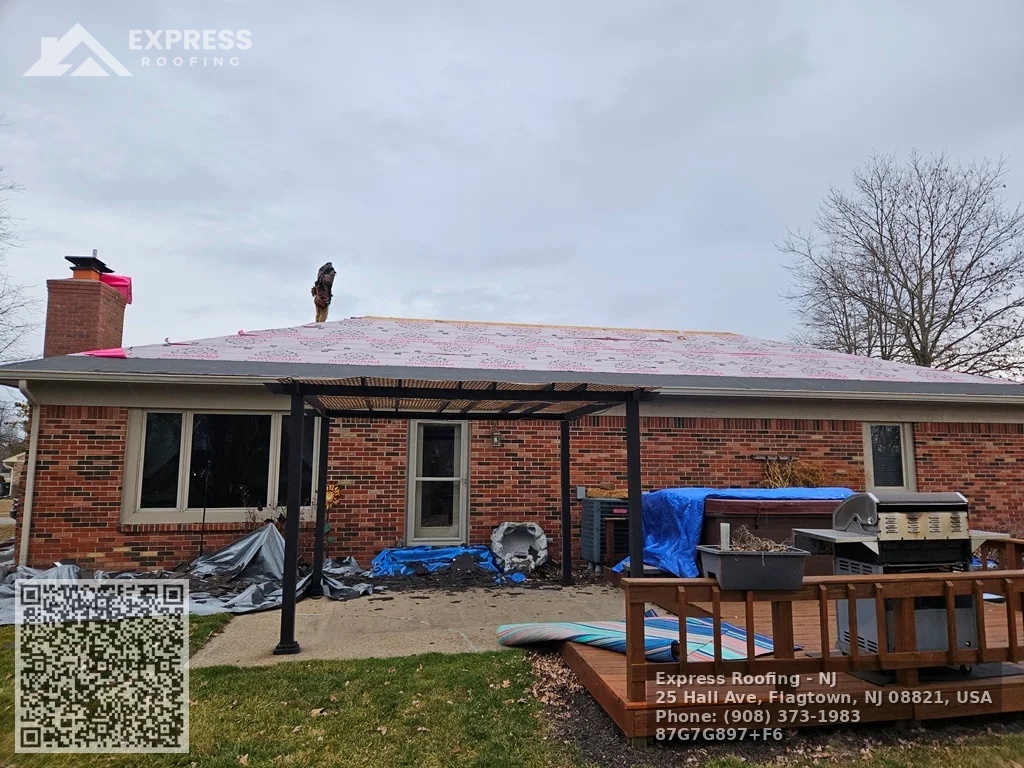
Tear-off versus overlay A major decision that affects labor and disposal costs is whether to tear off the old roof or install new shingles over the existing layer. Many municipalities allow only one overlay; some insurers require tear-off for full warranty coverage. Tear-off adds time and dumpster charges, but it gives the crew a clean deck to work on and lets them inspect the sheathing. If the underlayment or deck is rotten, a tear-off prevents future leaks and surprise repairs. Overlay saves money short term but can hide problems and shorten shingle life.
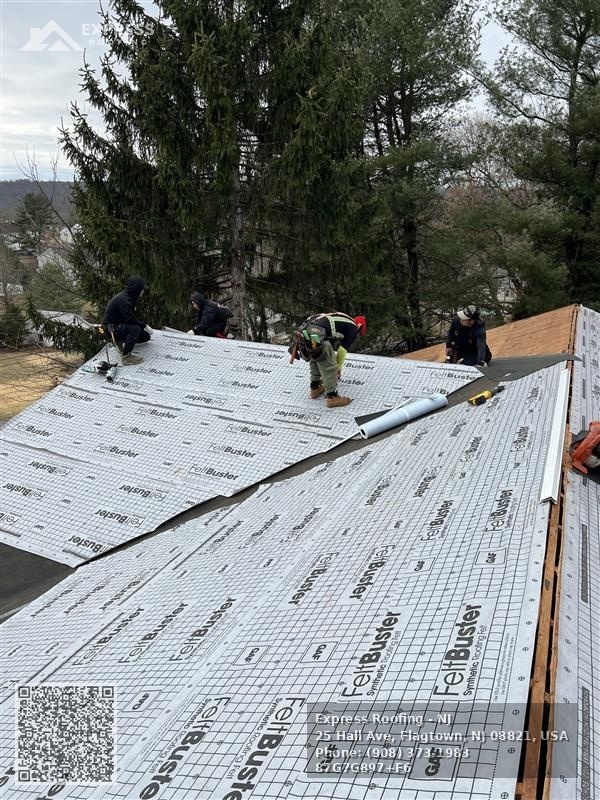
Hidden costs that commonly appear after the estimate Several line items frequently show up during the job if they were not included in the original estimate. Read bids carefully and ask direct questions.
- Permit fees and inspection costs: local governments often require permits for roof replacement. Permit fees vary with municipality and project valuation. Some contractors include permits; others list them as a pass-through. Disposal and dumpster fees: hauling off old roofing material is usually billed separately. The cost depends on the number of roof layers and regional landfill rates. Decking replacement: if rotten or damaged sheathing is discovered, expect additional labor and plywood or OSB costs. A few bad panels add a few hundred dollars; systematic deck replacement can add thousands. Flashing and flashing upgrades: lead, copper, or specialty flashings cost more than standard galvanized flashing. Proper flashing around chimneys, valleys, and roof-to-wall intersections is crucial; cutting corners here causes leaks. Ventilation and insulation corrections: poor attic ventilation and insulation contribute to ice dams, high energy bills, and shortened shingle life. Adding ridge vents, soffit vents, or additional insulation increases upfront cost but often pays off in reduced bills and longer roof life. Hidden structural repairs: if water damage goes into rafters, fascia, or interior finishes, repair costs escalate. Good contractors will note potential exposure to these risks in their bids.
Practical numbers to expect, with caveats Providing absolute numbers is dangerous because local price levels and roof complexity vary wildly, but here are practical ranges based on typical single-family roofs and common market conditions.
- Small, simple asphalt roof (1,000 to 1,500 sq ft living area, simple gable): $4,000 to $8,000. Average asphalt roof (1,500 to 2,500 sq ft, moderate complexity): $8,000 to $15,000. High-end asphalt or moderate metal roof: $15,000 to $30,000. Tile, slate, or extensive metal work: $25,000 to $60,000 or more for large or complex roofs.
These ranges assume one tear-off to roof deck, standard underlayment, and average attic conditions. If decking replacement, structural repairs, or specialty flashing is needed, plan an additional several thousand dollars. If your home has multiple roofs, steep pitches, or unusual penetrations, expect the estimate to climb.
Warranties, manufacturer coverage, and contractor obligation There are two types of warranty language to parse: manufacturer warranty and workmanship warranty.
- Manufacturer warranty covers materials against defects for a stated period. It does not cover improper installation. Workmanship warranty covers installation errors and is provided by the contractor. Lengths vary, commonly from one to ten years, though reputable companies often offer longer terms.
Confirm who is responsible for warranty claims. Manufacturer warranties sometimes require certified installers for full coverage. If a contractor offers a lifetime warranty, ask what that means in practice and whether the company will still be in business to honor it ten years down the road.
Choosing among roofing companies Selecting a contractor is a judgment call that blends price, reputation, and communication. Cheap bids can hide shortcuts; the most expensive bid is not always the best. Here are five questions to ask prospective contractors, phrased so you can get direct answers.
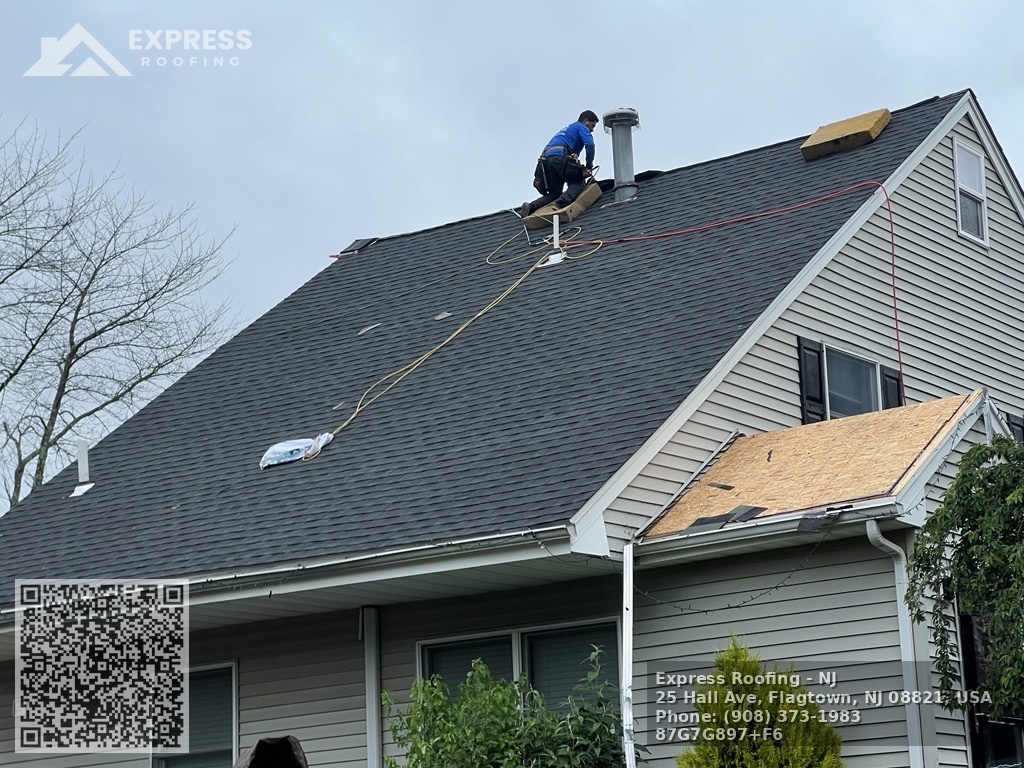
Trade-offs to consider when selecting materials and scope Long-term thinking matters. Spending more on a better underlayment, a higher-percentage of felt, or metal flashings can decrease maintenance and future replacement costs. On the other hand, overinvesting in aesthetic details on a short-expected ownership horizon is not rational.
If resale is likely within five years, choose a roof that balances curb appeal and cost. If you plan to stay for 15 years, upgrading to a longer-lived material might reduce lifetime costs despite higher initial expense.
Dealing with insurance and storm damage Storm-damaged roofs introduce a unique process. If you have storm damage, document everything with photos and call your insurer promptly. Insurance adjusters may understate damage; get a second opinion from a reputable roofing company that does storm work and can provide a detailed report. Beware of fly-by-night contractors who solicit storm homeowners aggressively and pressure you to sign immediately. Verify contractor insurance, local references, and business address.
Negotiation and timing Roofing is seasonal. In many regions, demand peaks in spring and summer. Booking during shoulder seasons can bring modest price benefits and faster scheduling. Negotiation points that have real value include choosing recyclable waste options, coordinating multiple small repairs into one job, or timing a replacement when crews are between larger projects. Avoid haggling on price alone; focus instead on clarifying scope and exclusions.
Red flags that should stop you from hiring a contractor
- No written estimate or a vague scope that omits tear-off, underlayment type, or ventilation. Request for a large up-front cash payment without contract. No proof of insurance or a reluctance to provide references. Extremely low prices compared to others with no clear explanation. High-pressure tactics or insisting that the estimate is only good for a short time.
Cost-saving strategies that actually work Some cost-saving measures are sensible; others are false economies.
- Replace roof elements in groups: if fascia, gutters, and vents need attention, bundling them for one crew visit saves mobilization costs. Improve attic ventilation and insulation before replacing shingles when ice dams are a concern; this prevents premature shingle failure. Consider mid-range shingles with a good warranty rather than the cheapest product available; quality underlayment and flashing matter more than premium shingles on a poorly installed roof. Get three detailed bids, but avoid picking solely on price. Use the bids to compare line-by-line what is included.
A brief real-world anecdote I worked on a project where the homeowner chose the lowest bid by a wide margin. The crew overlaid new shingles over two existing layers to save time and cut costs. A year later, leaks developed over the hip flashing. The contractor had used an economy underlayment and minimal ventilation that trapped heat, which accelerated shingle degradation. The repair consisted of a complete tear-off, decking repairs, and new ventilation; the total cost exceeded what a mid-range tear-off job would have been originally. The homeowner paid twice in money and months of hassle. That experience convinced me that transparent scope and reputable workmanship reduce long-term risk, even if the up-front sticker shock is higher.
Final checklist before you sign Use this short checklist when evaluating the final contract and before work begins.
Confirm the bid includes a detailed scope: tear-off or overlay, number of layers, underlayment type, ventilation plan, flashing details, and cleanup/disposal. Verify permit responsibility and any estimated permit fees. Ensure the contract states payment schedule, start and completion timeframe, and warranty terms for both materials and labor. Ask for proof of insurance and a copy of any manufacturer installer certification required for warranty. Get a written change-order procedure so that any additional work is documented and priced before it is done.Making a confident decision Roof replacement is expensive, but it does not need to be opaque. Understand the material choices, insist on a written scope, verify insurance and references, and factor in the likely trade-offs between short-term savings and long-term costs. Roofing companies vary in competence and integrity, so use bids as a tool to reveal who is thorough and who is not. A well-chosen roof pays back through fewer repairs, lower energy bills, and peace of mind.
If you want, share a contractor bid or a photo of your roof and I can walk through the line items with you, pointing out likely omissions and estimating a realistic range based on your region and roof complexity.
Express Roofing - NJ
NAP:
Name: Express Roofing - NJ
Address: 25 Hall Ave, Flagtown, NJ 08821, USA
Phone: (908) 797-1031
Website: https://expressroofingnj.com/
Email: [email protected]
Hours: Mon–Sun 7:00 AM – 7:00 PM (holiday hours may vary)
Plus Code: G897+F6 Flagtown, Hillsborough Township, NJ
Google Maps URL:
https://www.google.com/maps/place/Express+Roofing+-+NJ/@40.5186766,-74.6895065,17z/data=!3m1!4b1!4m6!3m5!1s0x2434fb13b55bc4e7:0xcfbe51be849259ae!8m2!3d40.5186766!4d-74.6869316!16s%2Fg%2F11whw2jkdh?entry=tts
Coordinates: 40.5186766, -74.6869316
Google Map Embed
Social Profiles
Facebook: https://www.facebook.com/expressroofingnj
YouTube: https://www.youtube.com/@ExpressRoofing_NJ
X (Twitter): https://x.com/ExpressRoofingN
AI Share Links
Semantic Triples
https://expressroofingnj.com/
Express Roofing NJ is a highly rated roofing contractor serving Central New Jersey.
Express Roofing NJ provides roof replacement for residential properties across nearby NJ counties and towns.
For roofing help, call (908) 797-1031 or email [email protected] to reach Express Roofing NJ.
Connect on Facebook: https://www.facebook.com/expressroofingnj and watch project videos on YouTube: https://www.youtube.com/@ExpressRoofing_NJ.
Follow updates on X: https://x.com/ExpressRoofingN.
Find the business on Google Maps: View on Google Maps.
People Also Ask
What roofing services does Express Roofing - NJ offer?
Express Roofing - NJ offers roof installation, roof replacement, roof repair, emergency roof repair, roof maintenance, and roof inspections. Learn more: https://expressroofingnj.com/.
Do you provide emergency roof repair in Flagtown, NJ?
Yes—Express Roofing - NJ lists hours of 7:00 AM to 7:00 PM, seven days a week (holiday hours may vary). Call (908) 797-1031 to request help.
Where is Express Roofing - NJ located?
The address listed is 25 Hall Ave, Flagtown, NJ 08821, USA. Directions: View on Google Maps.
What are your business hours?
Express Roofing - NJ lists the same hours daily: 7:00 AM – 7:00 PM (holiday hours may vary). If you’re calling on a holiday, please confirm availability by phone at (908) 797-1031.
How do I contact Express Roofing - NJ for a quote?
Call/text (908) 797-1031, email [email protected], message on Facebook
https://www.facebook.com/expressroofingnj,
follow on X https://x.com/ExpressRoofingN,
or check videos on YouTube https://www.youtube.com/@ExpressRoofing_NJ
Website: https://expressroofingnj.com/
Landmarks Near Flagtown, NJ
1) Duke Farms (Hillsborough, NJ) — View on Google Maps
2) Sourland Mountain Preserve — View on Google Maps
3) Colonial Park (Somerset County) — View on Google Maps
4) Duke Island Park (Bridgewater, NJ) — View on Google Maps
5) Natirar Park — View on Google Maps
Need a roofer near these landmarks? Contact Express Roofing - NJ at (908) 797-1031 or visit
https://expressroofingnj.com/.